
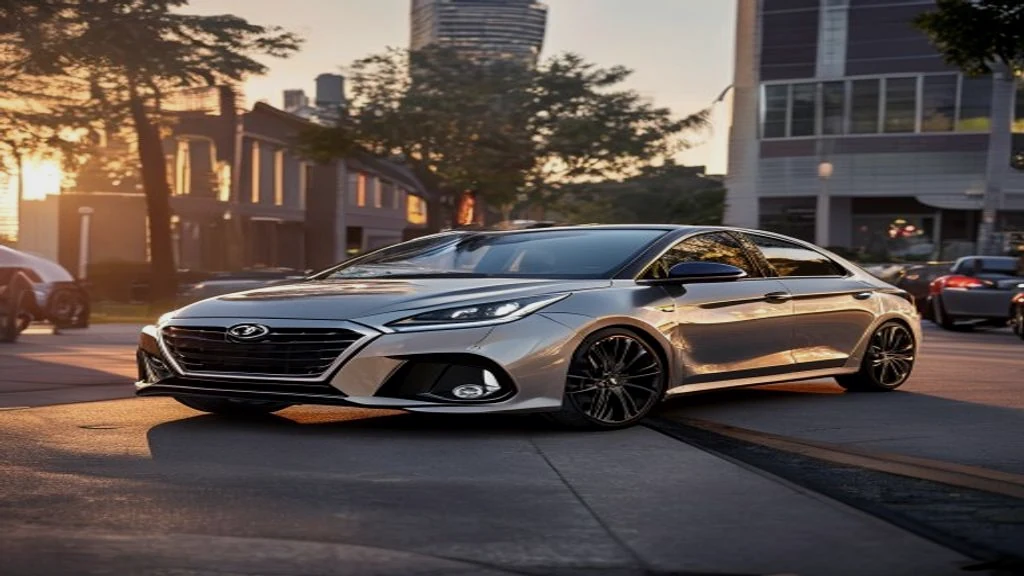
App driving
Rideshare-ready rentals
For Uber, Lyft, DoorDash, Instacart, Amazon Flex, and multi-app drivers.
A customer-facing Horizon Wheels preview built to show how North DFW drivers can find the right rental path, request availability, and move into faster WhatsApp follow-up.
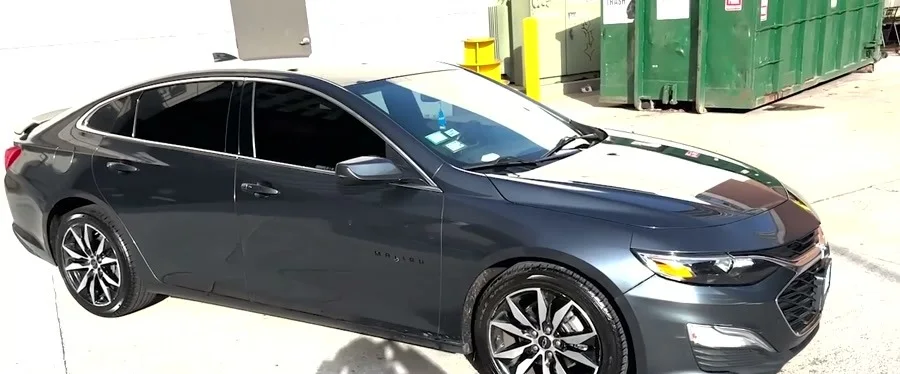
Drivers send the important details once: what the car is for, where they are, when they need it, and how quickly Horizon should follow up.
Most rental pages speak to everyone the same way. Horizon can convert better by matching the page to the reason a driver needs the car.
For Uber, Lyft, DoorDash, Instacart, Amazon Flex, and multi-app drivers.
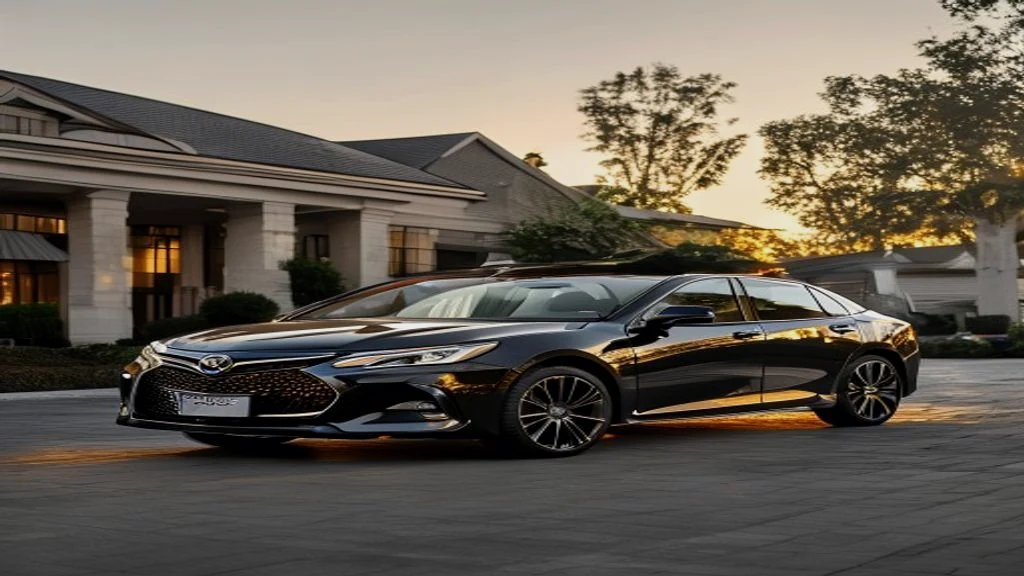
For short-term transportation, work weeks, errands, and repeat local driving.
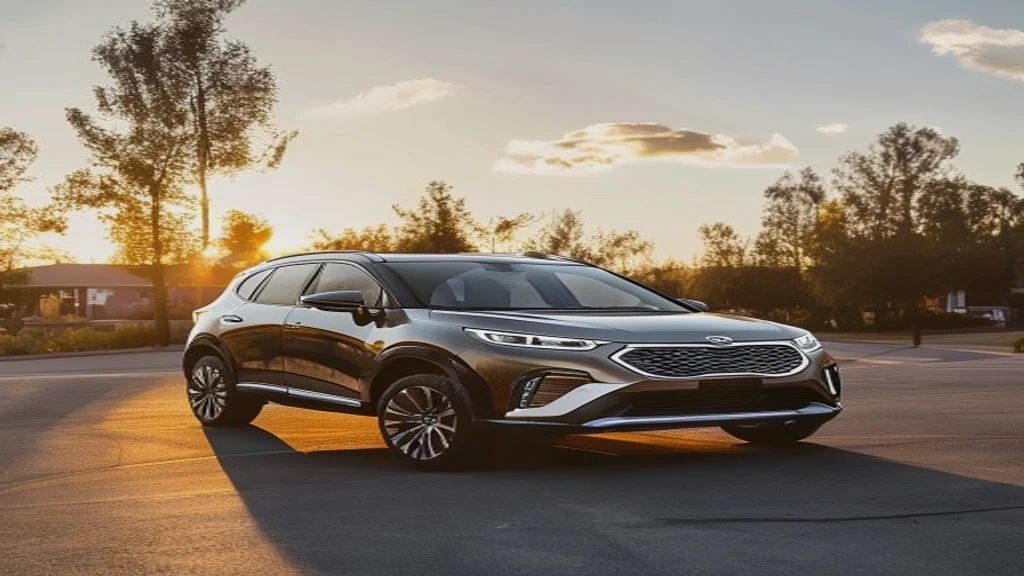
For drivers whose car is in the shop and need help for a few days or a week.
For renters who need faster answers and less repeated back-and-forth.
The page asks for app status, city, timing, vehicle need, and budget before Horizon spends time on the wrong lead.
The driver chooses the reason they need the car.
Timing, city, rental length, and use case are captured upfront.
Horizon can answer with the right requirements, availability, and next step.
If the driver is not ready, the system keeps the lead from going cold.
Competitors already sell fast approval, weekly price anchors, app-driver use cases, and low-friction booking. Horizon needs pages that feel closer, clearer, and easier to trust.
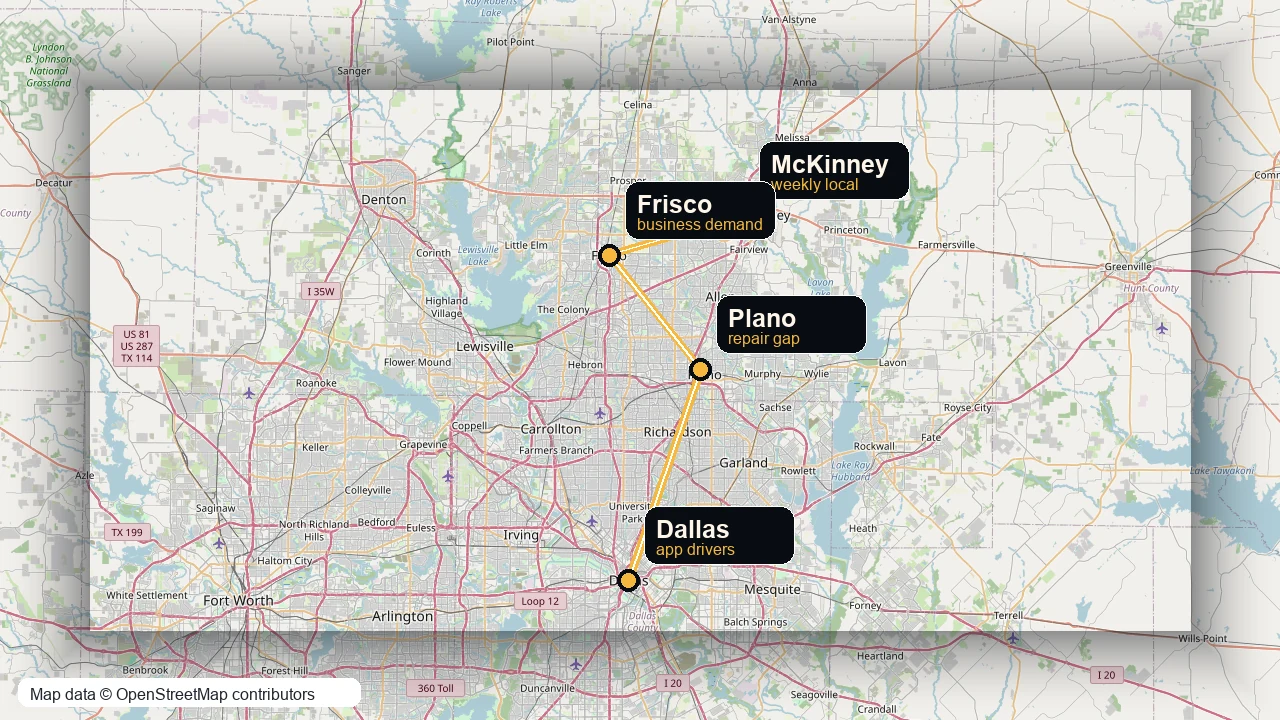
Build around the searches that already imply money: rideshare rental, weekly car rental, repair replacement rental, and city-specific needs.
Drivers compare quickly. The site should answer price range, deposit, requirements, insurance/mileage notes, pickup area, and response expectation.
Airport-style booking flows feel broad. Horizon can win by sounding local, practical, and reachable for North DFW drivers.
This preview is informed by how rideshare and weekly rental competitors sell: price anchors, included coverage, maintenance, no long-term contract language, app-driver use cases, and fast reservation paths.
Large platforms sell app convenience. Local competitors sell weekly prices. Horizon’s site should combine local trust with a sharper intake flow: choose the rental reason, answer the requirements, and get the next step quickly.
Public DFW examples show weekly category anchors from hybrid through premium EV, with insurance, standard maintenance, roadside assistance, and return-after-seven-days framing.
Dallas-area inventory messaging uses weekly price anchors like compact sedans and SUVs, plus reservation steps and add-ons such as insurance and extras.
Positions car access around Uber, delivery services, business transportation, app booking, included insurance, maintenance, roadside support, and pickup/return resources.
The live site can present sedan, compact sedan, compact SUV, and premium SUV paths with the use case, weekly range, city fit, requirements, and next action.
The site should keep drivers moving instead of asking them to interpret a generic homepage.
Drivers self-select why they need a car. That changes the questions and the follow-up path.
The form captures the rental reason, city, timing, and expected rental length right away.
Each city and rental lane can have a focused page with local language and direct action.
The page is not just a prettier brochure. It behaves like a booking intake layer: it qualifies demand, protects follow-up, and gives Horizon a clearer picture of what is creating rental weeks.
The main action stays simple: pick the rental need, send details, get the right follow-up.
The public site helps drivers request cars. Wira can sit behind the page as the WhatsApp intake and follow-up layer: collect the rental reason, city, timing, requirements, and best next step before the lead goes cold.
A sharper customer-facing rental site paired with WhatsApp intake, follow-up prompts, owner summaries, and local search pages for the rental lanes already driving demand in North DFW.
Start with the rental path that matches the need: rideshare, delivery, repair replacement, weekly local driving, or repeat rental.